How Many Babies Do Cheetahs Have Cheetah Interesting Facts
Nigh Cheetahs
The Cheetah's Wild Life
There are 3 stages in the life cycle of the cheetah: cub (birth to eighteen months), adolescence (18 to 24 months) and adult life (24 months and on).
The gestation (pregnancy) flow for the chetah is 93 days, and litters range in size from one or two up to six cubs (the occasional litter of eight cubs has been recorded, merely it is rare). Cub bloodshed is college in protected areas similar national parks and wildlife reserves where proximity to large predators is greater than in non-protected areas. In such areas, the cheetah cub mortality tin can be as high every bit 90%.
Adult life for a chetah in the wild is difficult. Cheetahs in the wild (both male person and female person combined) accept an average age span of 10 – 12 years. The average lifespan of an adult male in the wild skews lower (8 years), due in part to territorial conflicts with competing groups of males. Adult mortality is one of the virtually significant limiting factors for the growth and survival of the wild chetah population.
Threats to the Cheetah
Captive Population Info
Physical Characteristics of Adult Cheetahs
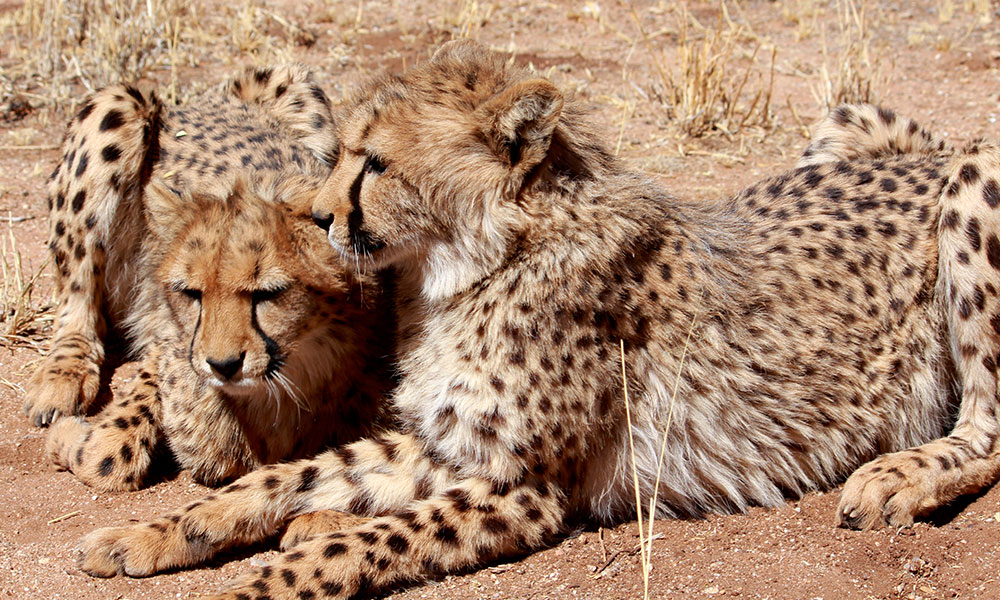
Adult cheetahs' weight averages betwixt 75 and 125 pounds. They can mensurate from 40 to 60 inches in length, measured from the head to the hind quarters. The tail can add a further 24 to 32 inches bringing the total overall length up to 7.5 anxiety. On boilerplate, cheetahs stand 28 to 36 inches tall at the shoulder.
The chetah is a sexually dimorphic species though information technology is difficult to place cheetahs' sexual practice by appearance lonely. Male cheetahs are slightly bigger than females and they accept larger heads, merely they do not display the same degree of physical difference betwixt the sexes of other large cat species similar lions.
Cheetahs have a thin frame with a narrow waist and deep chest. They have big nostrils that allow for increased oxygen intake. Cheetahs have a large lungs and hearts connected to a circulatory system with stiff arteries and adrenals that work in tandem to circulate oxygen through their claret very efficiently.
With its long legs and very slender body, the cheetah is quite different from all other cats and is the but fellow member of its genus, Acinonyx. The cheetah's unique morphology and physiology let it to attain the farthermost speeds for which it'south famous.
Markings
The cheetah'south undercoat ranges in color from light tan to a deep gilt and is marked by solid black spots. These spots are not open up like the rosettes found on a leopard or jaguar's glaze, which is ane manner to apace identify the cheetah.
Distinctive black tear stripes run from the eyes to the mouth. The stripes are idea to protect the optics from the dominicus'south glare. Information technology is believed that they have the aforementioned part as a rifle scope, helping cheetahs focus on their prey at a long altitude range by minimizing the glare of the lord's day.
Chetah tails cease with a bushy tuft encircled by 5 or six dark rings. These markings provide them with excellent camouflage while hunting and brand them more difficult for other predators to detect. The tail is also thought to be a signaling device, helping young cubs follow their mothers in tall grass. The tip of the tail varies in color from white to black amongst individuals.
Built for Speed
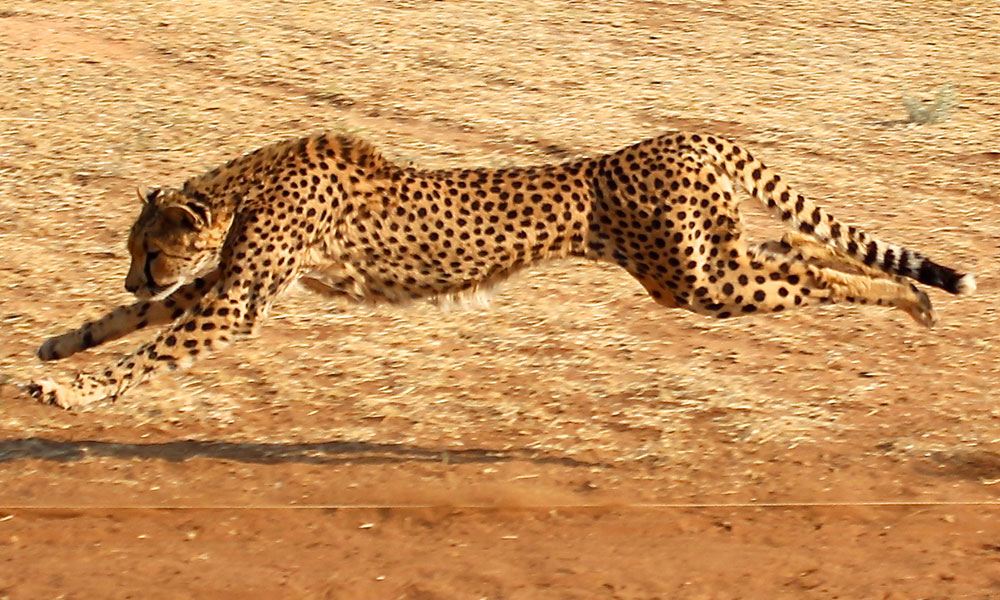
The cheetah is the globe'south fastest state animal and Africa'south most endangered big true cat. Uniquely adjusted for speed, the cheetah is capable of reaching speeds greater than 110 kilometers per hour in simply over iii seconds. At top speed, their stride is vii meters long. The cheetah's unique body structure: flexible spine, semi-retractable claws, long legs and tail allow it to achieve the unbelievable top speed of 110 km/hour (70 mph). The cheetah'south body is narrow and lightweight with long slender limbs. Specialized muscles allow for a greater swing to the limbs increasing acceleration.
Cheetahs' pes pads are difficult and less rounded than the other cats. The pads function similar tire treads providing them with increased traction in fast, sharp turns. The short edgeless claws, which are considered semi-retractable, are closer to that of a dog than of other cats. The claws work like the cleats of a track shoe to grip the ground for traction when running to assist increase speed.
Fast and Flexible
The flexibility of the cheetah'south spine is unique. The cheetah's long muscular tail works like a rudder, stabilizing, and acting as a counterbalance to its body weight. Swinging the tail back and forth continually adjusting to the move of prey allows for sudden abrupt turns during loftier speed chases. The cheetah's shoulder blade does not attach to the collar bone, thus assuasive the shoulders to move freely.
The hips pivot to let the rear legs to stretch far apart when the body is fully extended. The hip and shoulder extension allows for a large range of extension during running, thus making both its exceptional step length. The length between their steps is six to seven meters (21 ft) and four strides are completed per second. There are two times in one step when the cheetah's body is completely off the footing: once when all four legs are extended and once when all four legs are bunched under the trunk.
Cheetah Cubs
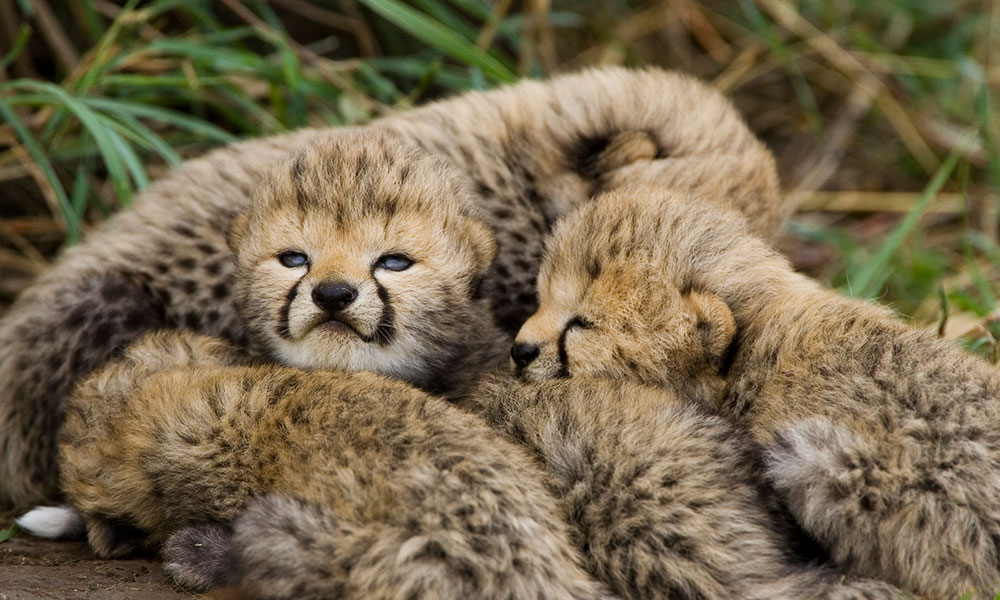
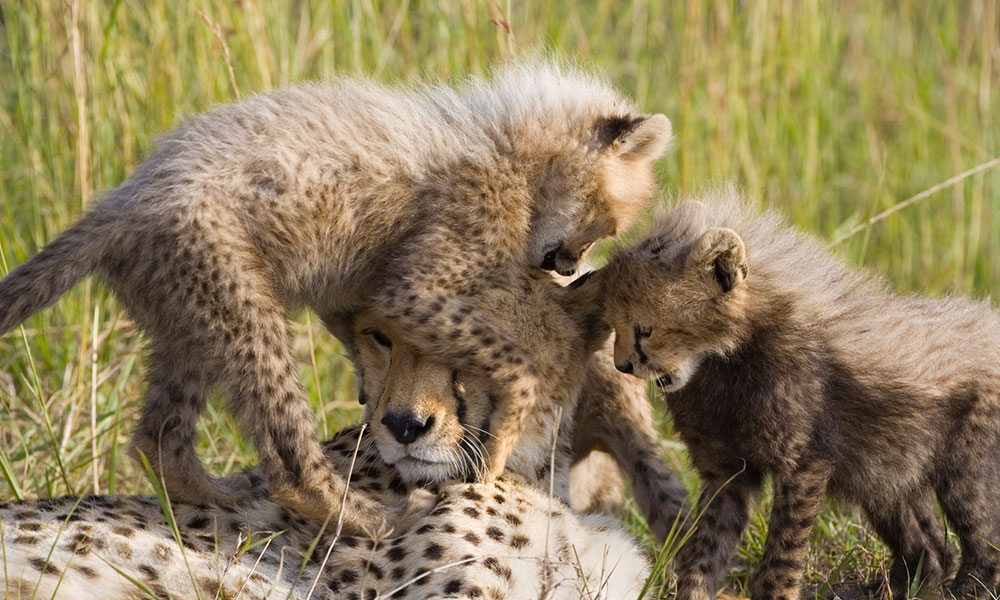
At birth, the cubs weigh 8.v to 15 ounces and are blind and helpless. Their mother will groom them patiently, purring quietly and providing them warmth and security. After a day or so, the female parent will leave the cubs to chase for herself, so she can continue to care for the cubs. This is the well-nigh vulnerable time for the cubs, as they are left unprotected. They will alive in a secluded nest until they are near six to eight weeks old, being regularly moved past their mother from nest to nest to avoid detection by predators. The female parent will intendance for her cubs on her own for the next twelvemonth and a half.
At almost six weeks of age
The cubs begin following their mother on her daily travels as she is looking for casualty. During these showtime few months she cannot move far or fast and cub mortality is highest. Fewer than one in x cubs will survive during this time, as they perish from predation past other large predators such equally lions and hyenas, or from injuries. This is the fourth dimension when life skills are taught.
Cheetah cubs have a thick silver-grey mantle down their back. The mantle helps camouflage the cubs by imitating the look of an aggressive animal chosen a dear badger. This mimicry may help deter predators such as lions, hyenas, and eagles from attempting to kill them. Cubs lose their drape at virtually iii months of age.
Between 4 to six months of historic period
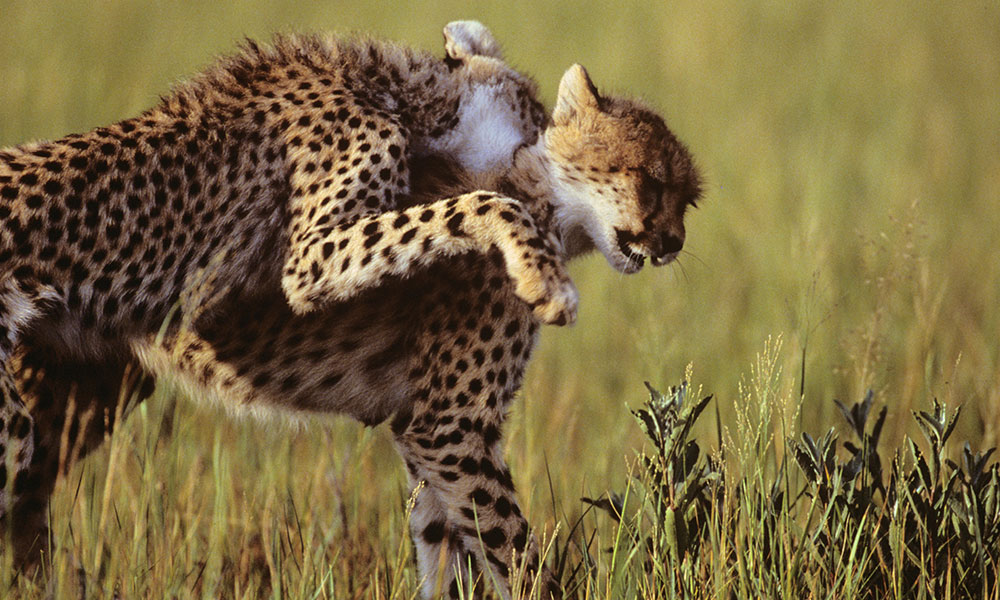
Chetah cubs are very agile and playful. Trees provide good observation points and allow for development of skills in balancing. The cubs' semi non-retractable claws are sharper at this age and help them grip the tall 'playtrees' they climb with their siblings. Learning to chase is the near critical survival skill that the cubs will develop. At one year of age, cheetah cubs participate in hunts with their mother.
At about 18 months of age
The mother and cubs will finally split up. Although not fully adept at hunting on their own, independent male and female person cubs will stick together for a few more months to master their hunting skills. When the adolescent females begin cycling, dominant males will court them and drive their brothers away.
Male Coalitions
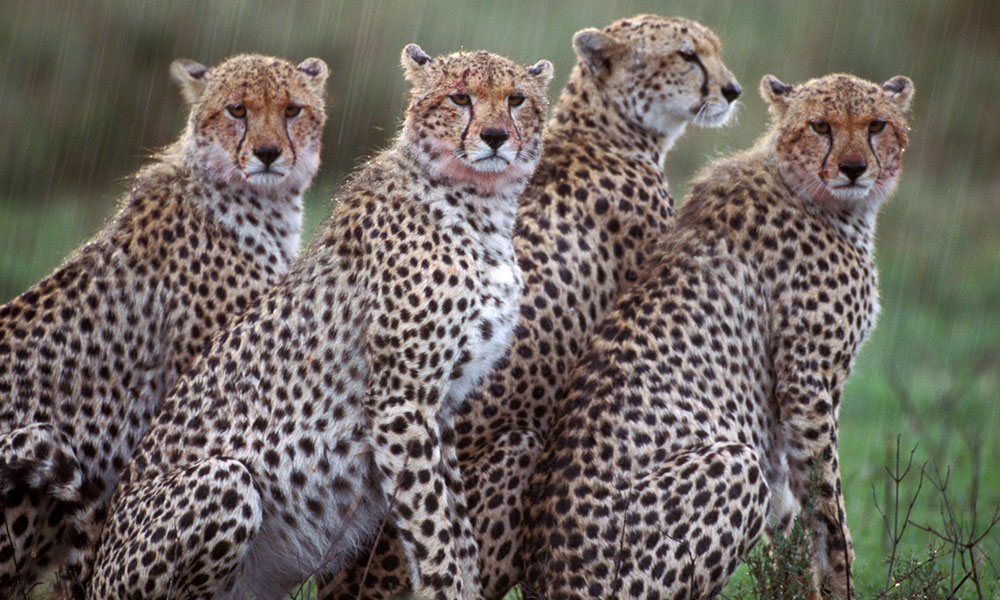
As the female siblings become sexually mature they will split from the group to atomic number 82 a largely independent life. Male person siblings remain together for the residuum of their lives, forming a group known every bit a coalition. Coalitions increase hunting success and act as a defense against other predators.
When the split from sisters occurs, the males will roam until they can discover and defend a territory. This procedure can take a few years and males may travel hundreds of miles, being moved out of ane surface area to another, pushed on past more experienced male coalitions. Somewhen, the group will discover a place where they can settle. This will go the coalition's territory and could span 15 to 30 foursquare miles.
Cheetahs that become orphaned at a immature age, and are brought into a rehabilitation situation, can be paired with non-related individuals to form a coalition. When these cheetahs are released back into the wild, the created coalitions will often remain intact throughout the life of the individuals.
Mating
Females lead solitary lives unless they are accompanied by their cubs. Unlike male cheetahs that adopt to live in set territories with their coalition, females travel within "home ranges" that overlap multiple male person groups' territories. Female cheetah home ranges depend on the distribution of prey. If prey is roaming and widespread, females will have larger ranges.
Rut in female cheetahs is not predictable or regular. This is ane of the reasons why it is difficult to breed cheetahs in captivity. Mating receptivity depends on environmental factors that, researchers have found, are triggered past the proximity of males and their aroma markings. Estrus lasts up to fourteen days and females will mate with multiple males during this time menstruum. Male person cheetahs that encounter a female chetah in oestrus will stay with her and mate up to three days and at intervals throughout the mean solar day. When it comes to mating, there are no dominant males within the coalition that claim exclusive access to females. All males within a coalition will mate.
Genetic Diversity
During the last Ice Age the globe's population of cheetahs plummeted to but a handful of individuals. This event acquired an farthermost reduction of the cheetah's genetic multifariousness, known as a population bottleneck, resulting in the physical homogeneity of the species' current population. Cheetahs are then genetically like that in experiments, reciprocal skin grafts from unrelated cheetahs were accustomed by the other'south immune organization due to the animals having similar major histocompatibility circuitous (MHC) genotypes.
Researchers accept discovered that suitable levels of genetic multifariousness are vital to any population's ability to adjust and overcome environmental changes and unexpected disasters. Unsustainable man expansion and irresponsible consumption tin cause pressure on ecosystems worldwide. Population research has shown that when habitat is destroyed and populations become fragmented and isolated, the charge per unit of inbreeding increases and the genetic diversity lowers.
Physiological impairments such equally: poor sperm quality, focal palatine erosion, susceptibility to infectious diseases, and kinked tails are a consequence of depression genetic diversity within both the wild and captive chetah population.


Hunting
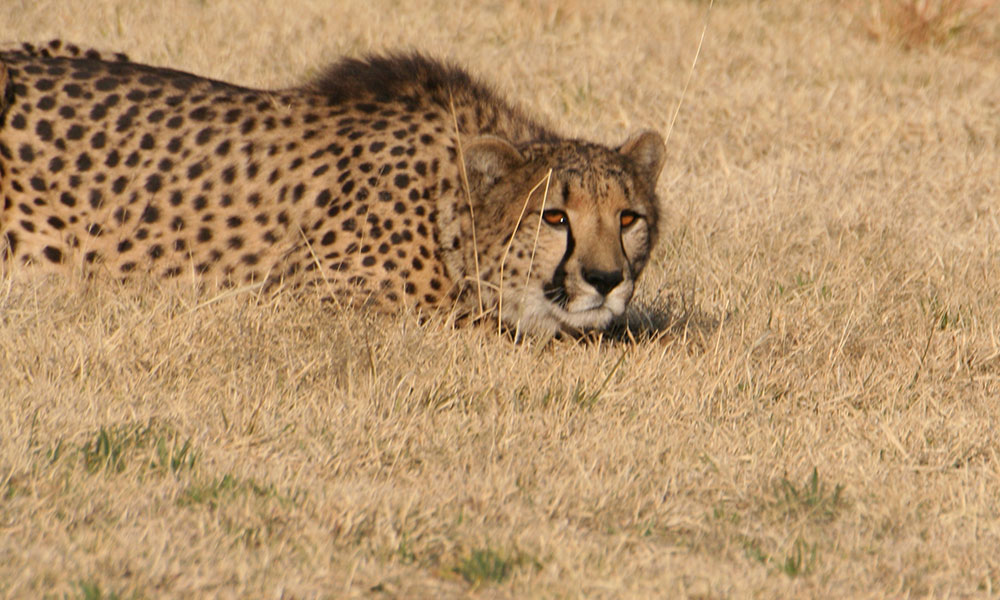
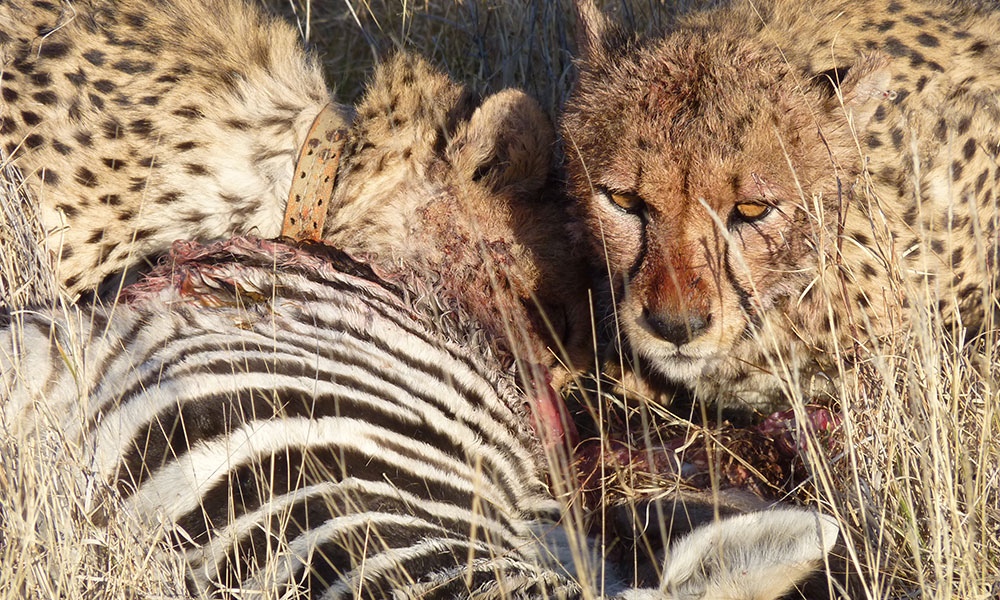
Cheetahs are visual hunters. Unlike other big cats cheetahs are diurnal, pregnant they chase in early on morning and tardily afternoon. Cheetahs climb 'playtrees' or termite mounds to get an optimal vantage point for spotting prey confronting the horizon. The hunt has several components. Information technology includes prey detection, stalking, the hunt, tripping (or prey capture), and killing by means of a suffocation bite to the pharynx.
Diet and Eating
The prey species on which the chetah depends have evolved speed and avoidance techniques that can go on them just out of reach. Cheetahs casualty includes: gazelles (particularly Thomson'southward gazelles), impalas and other pocket-sized to medium-sized antelopes, hares, birds, and rodents. Cheetahs will as well prey on the calves of larger herd animals.
Cheetahs generally prefer to prey upon wild species and avert hunting domestic livestock. The exception happening in sick, injured and either old or young and inexperienced cheetahs. Generally, the livestock animals that are lost to predation by cheetahs are also sick, injured and old/young. Keeping livestock in kraals and utilizing not-lethal means of protection can dramatically reduce livestock predation.
Activeness
While cheetahs tin can reach remarkable speeds, they cannot sustain a high speed hunt for very long. They must catch their prey in 30 seconds or less as they cannot maintain maximum speeds for much longer. Cheetahs spend most of their time sleeping and they are minimally active during the hottest portions of the day. They prefer shady spots and will sleep under the protection of big shady copse. Cheetahs practice not hunt at dark, they are most active during the forenoon and evening hours.
Part in the Ecosystem
The cheetah serves a special role in its ecosystem. Cheetahs are one of the most successful hunters on the savanna but their kills are very often stolen by larger carnivores or predators that hunt in groups. Predators play an important role in any ecosystem. They go on prey species healthy past killing the weak and erstwhile individuals. They also act every bit a population check which helps plants-life past preventing overgrazing. Without predators like the cheetah, the savanna ecosystem in Namibia would be very unlike and the current ecological tendency toward desertification would be accelerated.
Vocalizations
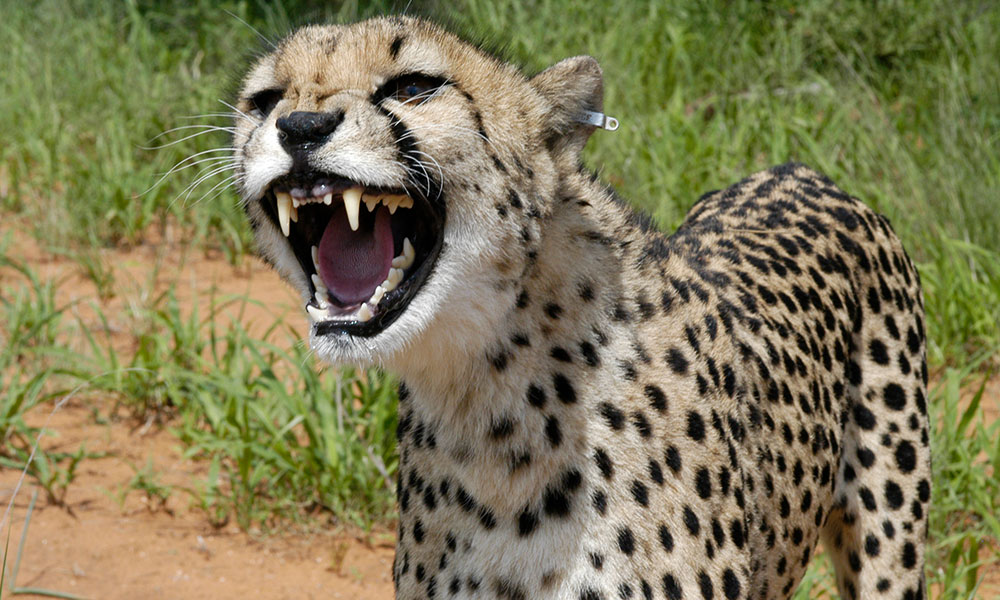
Unlike other "big cats", a classification that includes: lions, tigers, leopards, and jaguars) cheetahs don't roar. They growl when facing danger, and they vocalize with sounds more equivalent to a loftier-pitched chirp or bubble and they bark when communicating with each other. The cheetah tin can as well purr while both inhaling and exhaling.
Species Then and Now
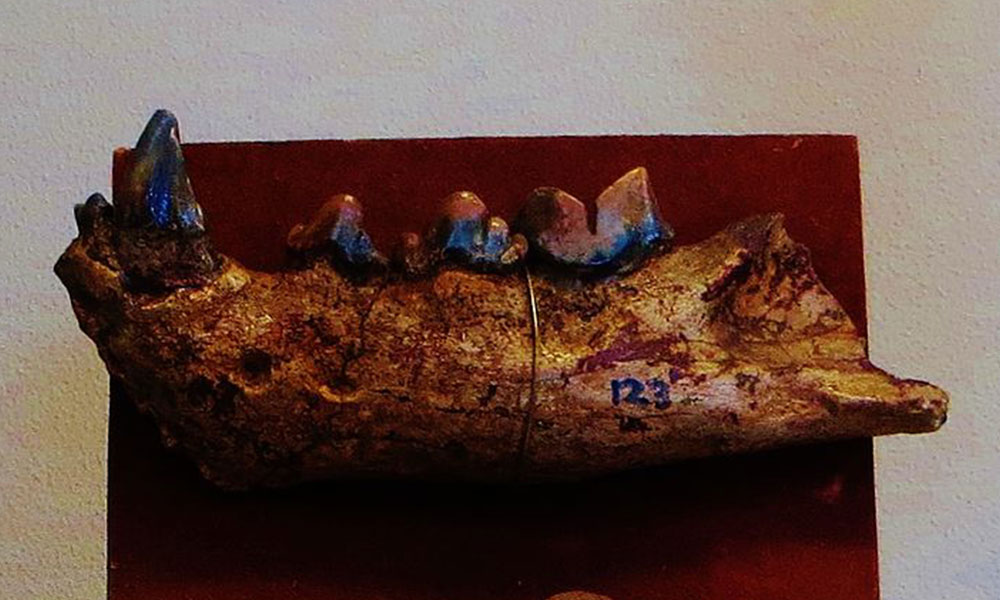
Relatives of the modern cheetah had worldwide distribution until most 20,000 years ago, when the world's surroundings underwent dramatic changes during the Swell Water ice Age. Only a handful of individuals remained.
The population of cheetahs rebounded. Upwardly until ~10,000 years agone their range spread across the unabridged African continent (minus the Congo Basin and the Sahara Desert) and into Asia from the Arabian Peninsula to eastern India. Today, cheetahs are found in simply 9% of their historic range and are functionally extinct. Once constitute throughout Asia and Africa, today there are fewer than seven,100 developed and adolescent cheetahs in the wild.
Protected Status
Currently, cheetahs are listed as Vulnerable on the IUCN Ruby-red List. In Namibia, they are a protected species. Under the Endangered Species Act in the United States, they are considered Endangered. The Convention on International Trade in Endangered Species (CITES) lists them as an Appendix one species. Most wild cheetahs exist in fragmented populations in pockets of Africa, occupying a mere 9 percent of their celebrated range. In Iran, fewer than fifty Asiatic cheetahs (a sub-species) remain.
The largest single population of cheetahs occupies a six-country polygon that spans Namibia, Republic of botswana, Southward Africa, Republic of angola, Mozambique and Republic of zambia. Namibia has the largest number of individuals of any country, earning it the nickname, "The Cheetah Uppercase of the Globe." More than than 75 percent of remaining wild cheetahs live on rural farmlands alongside human communities.
Cheetahs in Captivity
In captivity cheetahs can live from 17 – 20 years. In countries across Africa, like Namibia, information technology is illegal to capture and have live cheetahs from the wild. Also in the bulk of African countries, like Namibia, information technology is illegal to keep cheetahs nether private buying or as pets. Cheetah Conservation Fund and other Africa-based NGOs keep populations of injured or orphaned animals in captivity as function of rehabilitation and rewilding efforts.
Suitability for release is dependent on:
- the age of the individuals when they became orphaned
- the degree to which man intervention was required for their survival
Very young and extremely ill animals will take greater degrees of contact with human caretakers. Survival in the wild depends on an aversion to humans and avoidance of man populations. Cheetahs that require hand-rearing and prolonged medical treatment practise not possess an adequate fear of humans for life in the wild, especially when their territories are increasingly likely to be shared by human settlements.
Zoos and Conservation
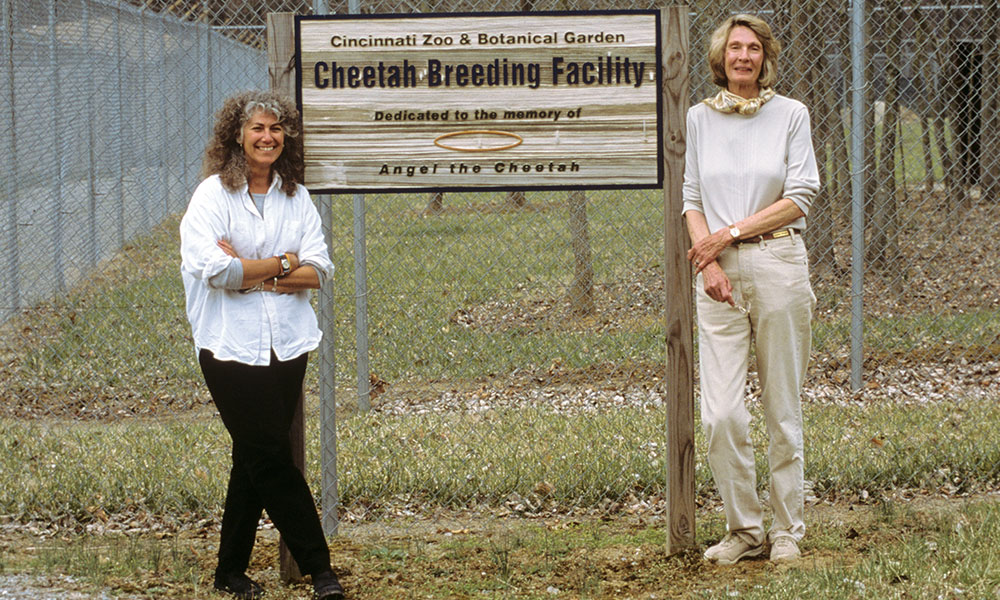
Accredited zoos around the world participate in captive breeding programs that rails the genetic suitability for mating pairs. Accreditation criteria differs between accrediting organizations. Accreditation in most cases requires that zoos holding captive cheetahs must support conservation work. Chetah Conservation Fund lists the zoos that fund our conservation work here.
Cheetah Conservation Fund manages the International Chetah Studbook for convict cheetah populations.
Specialized Conservation Needs
Equally with all other species fighting extinction, the trouble facing the chetah is circuitous and multifaceted. Nevertheless, most of the reasons for the cheetah'southward endangerment can be grouped into three overarching categories:
- human-wildlife conflict,
- loss of habitat and loss of prey,
- poaching and illegal wild animals trafficking, with cubs existence taken from the Horn of Africa and smuggled into the exotic pet trade, primarily in the Gulf States.
Human being-Wildlife Conflict
Unlike other large cats and pack predators, cheetahs practise not do well in wildlife reserves. These areas normally contain loftier densities of other larger predators similar the lion, leopard, and hyena. Predators such equally these, compete with cheetahs for prey and will even kill cheetahs given the opportunity. In such areas, the cheetah cub mortality can be every bit high as xc%. Therefore, roughly 90% of cheetahs in Africa alive outside of protected lands on private farmlands and thus frequently come into conflict with people.
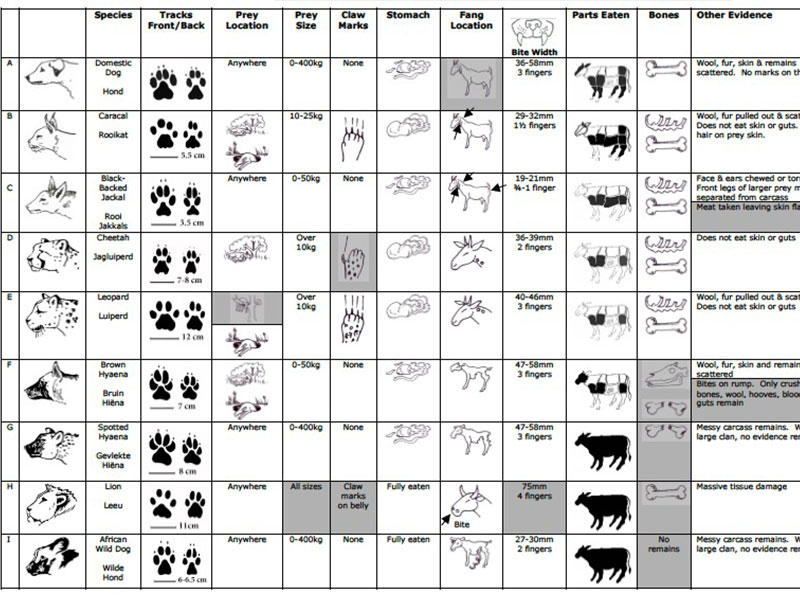
When a predator threatens a farmer'due south livestock, they too threaten the farmer's livelihood. Farmers human activity chop-chop to protect their resources, often trapping or shooting the cheetah. Because cheetahs chase more than during the day, they are seen more than often than the nocturnal predators which contributes to a higher rate of persecution on the cheetah.
Habitat Loss
Cheetahs require vast expanses of land with suitable prey, water, and cover sources to survive. As wild lands are destroyed and fragmented past the man expansion occurring all over the globe, the cheetah's available habitat is also destroyed. Available habitat is fragmented, and degraded reducing the number of animals an area can support. Numerous landscapes across Africa that could once support thousands of cheetahs at present struggle to support simply a handful.
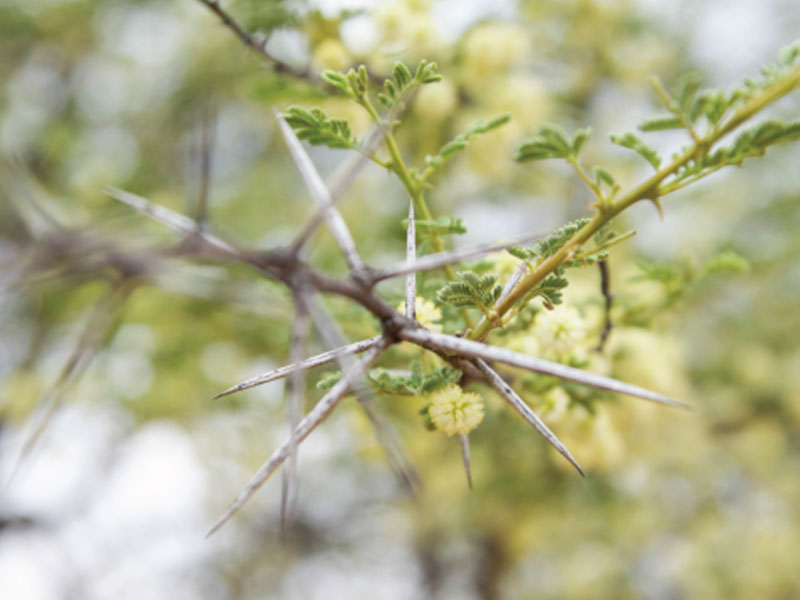
Habitat Loss
Learn more nigh CCF's efforts to prevent and mitigate habitat loss.
Habitat Loss
Illegal Wildlife Trade
In many parts of the earth at that place are strong cultural associations to keeping cheetahs as companions. There is a long history of the exercise and it is commonly seen in aboriginal art.
In contemporary times, cheetahs are withal viewed equally status symbols. Though cheetah ownership and exotic pet ownership has been outlawed in many countries, there is still a high demand for cheetahs as pets. Cubs are illegally captured from the wild and only one in six survives the journey to a potential buyer.
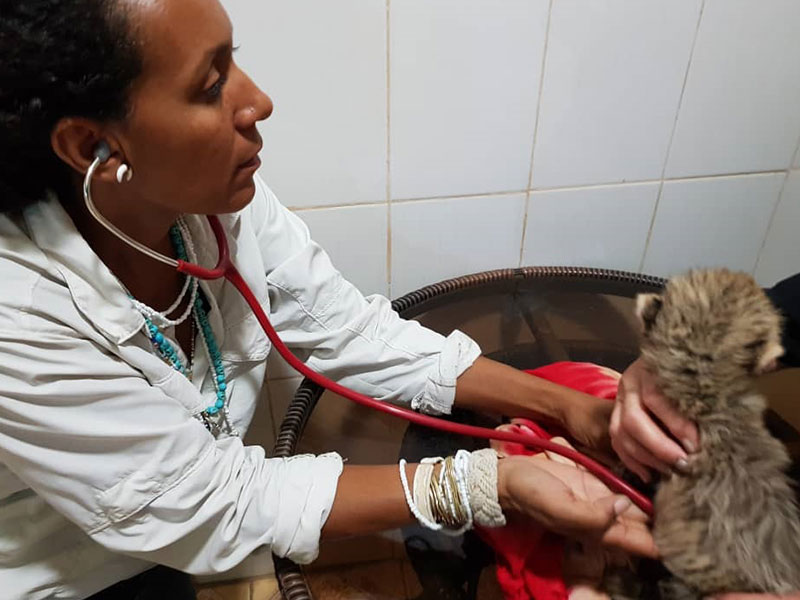
Illegal Wild animals Trade
Larn more most CCF's efforts to finish the illegal trade in cheetahs beyond the species range.
Illegal pet trade
Source: https://cheetah.org/learn/about-cheetahs/
0 Response to "How Many Babies Do Cheetahs Have Cheetah Interesting Facts"
Postar um comentário