Taking on Skin Color Art and Politics in white
Colorism is a form of discrimination, typically within a racial or ethnic group, favoring people with lighter skin over those with darker skin. This pernicious course of discrimination is often overshadowed in discussions about racism, simply information technology affects a broad swath of people across multiple populations.
A new written report by a University of Georgia researcher explores the present-day touch on of colorism, provides case studies of the event of skin tone on U.S. politics, and discusses the appropriation of skin color seen in transracial performances, as well as the global skin lightening industry.
Researcher Vanessa Gonlin says the effects of colorism can be devastating within and beyond communities. Several studies since 2006 accept documented how darker skin is associated with longer prison sentences for the same crime, decreased mental and concrete health, lower marital rates for women, lower wages for men and immigrants, and lower perceived intelligence.
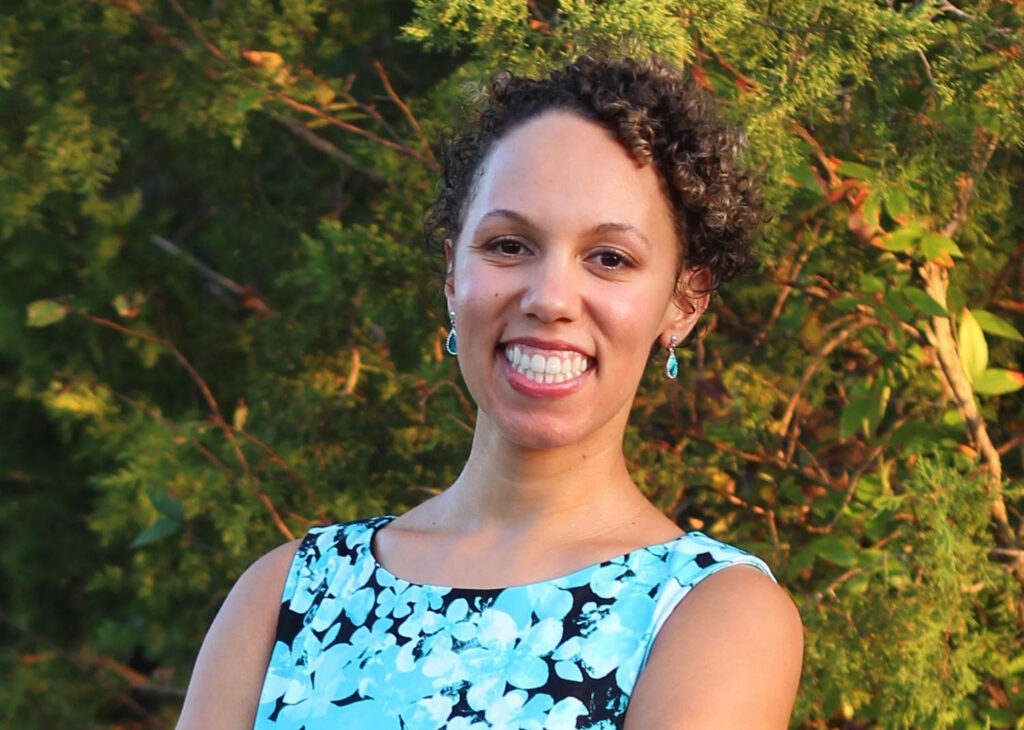
Vanessa Gonlin
While this class of discrimination changes across cultures and through time, in virtually cases darker skin is associated with negative attributes and lighter skin is connected to positive attributes. The question is, why is more melanin seen every bit bad and lighter skin seen equally practiced?
"In Asian communities, this was a function of their culture long before they met Europeans. People with the luxury of staying within and fugitive physical labor outdoors had lighter pare. Lighter skin became a symbol of college form," said Gonlin, assistant professor in the Franklin College of Arts and Sciences department of sociology. "This was also the example historically in Europe, where having 'blueish veins' or 'blue claret,' which refers to having pale and cool-toned skin thus making veins look blue, was viewed as having 'noble' and 'untainted' blood. Today, this has reversed in the western globe as tan peel amidst white people has become more than pop, equally tan peel is now associated with the luxury of going on vacations or spending leisure time tanning."
Past highlighting historical examples and origins that connect to modernistic twenty-four hour period experiences, Gonlin hopes to encourage more knowledge of this phenomenon and include history in conversations about colorism.
The miracle of 'passing'
Gonlin addresses the circuitous issue of transraciality, and the miracle of "passing." Transracial refers to people who change their outward appearance, such equally tanning their skin, modifying their pilus, and choosing to wear certain fashions, to be in line with their asserted BIPOC (Black, Indigenous, People of Color) racial identity.
"We see this in different bookish and activist settings where we have people that may accept been born white and identified by their parents as white, who are then asserting themselves equally a person of color," said Gonlin.
The act of "passing" equally a different racial group has historical roots during Jim Crow when BIPOC, especially Black people, passed as white to obtain benefits otherwise withheld from them. Gonlin's research questions why someone who is white would darken their skin to identify themselves every bit a person of color.
Contemporary life is replete with examples, from scholar Jessica Krug to activist Rachel Dolezal, academics who both assumed identities of Black only later to be outed, situations where colleagues and allied groups tin feel threatened and betrayed at the same time. And according to Gonlin, the conflicts about assumed racial identities tin apace spill over into discussions nigh gender.
"I argue that virtually people who identify equally transracial accept a goal of being able to one, gain some type of benefit usually reserved for BIPOC such as affirmative action, and 2, absolve themselves of whatever white guilt they might experience," said Gonlin.
To farther the chat on these complex topics, Gonlin has developed a new course titled "Colorism and Hairism beyond Communities of Color" to be offered in the leap semester of 2022. Gonlin received the Innovation in Multicultural Curriculum grant from UGA's Franklin College of Arts and Sciences to support her endeavors.
Co-authors on the study are hephzibah 5. strmic-pawl, associate professor of sociology at Manhattanville College, and Steve Garner, enquiry fellow of social sciences at Cardiff Academy
Source: https://news.uga.edu/history-of-colorism-sheds-light-on-discrimination/
0 Response to "Taking on Skin Color Art and Politics in white"
Postar um comentário